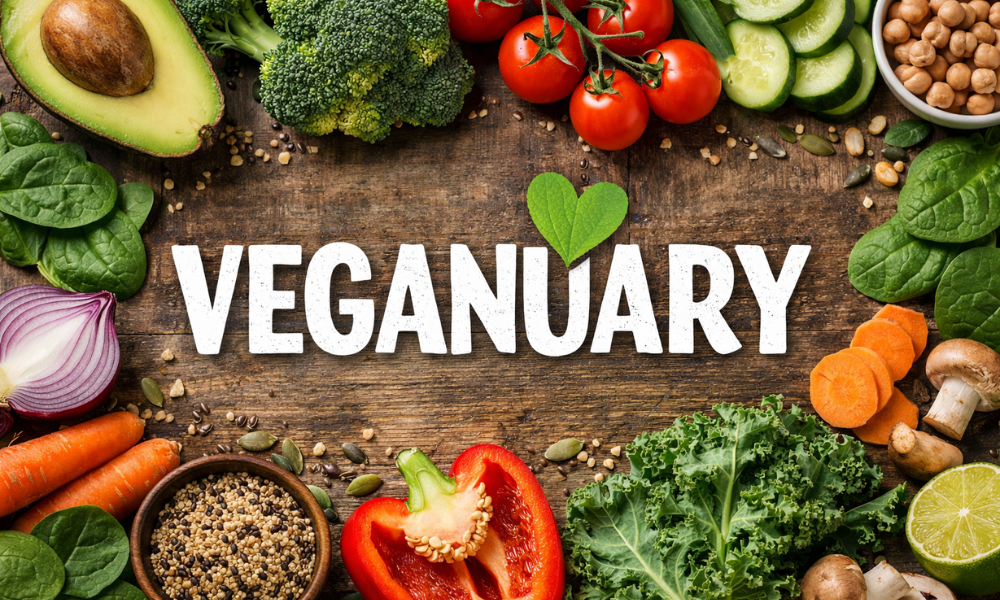
Veganuary has become a fixture in the public health calendar. What began in 2014 as a grassroots campaign encouraging people to try a vegan lifestyle for the month of January has grown into a global movement, engaging millions of participants across multiple countries. For many, Veganuary is about ethics or environmental sustainability. For others, it offers a timely opportunity to reassess diet through the lens of health and disease prevention.
As Veganuary 2026 unfolds, it does so against a backdrop of growing scientific and regulatory scrutiny around the health impacts of dietary patterns – particularly the consumption of processed meat.
Processed meat and cancer risk: what the science tells us
Over the past decade, the evidence linking processed meat consumption to cancer risk has strengthened. Scientists and public health bodies have repeatedly highlighted concerns around foods such as bacon, ham, sausages and cured meats, which are typically preserved using nitrites and nitrates. These compounds can form N-nitroso chemicals in the body, substances known to damage cells and DNA.
Epidemiological studies have consistently associated high intake of processed meats with an increased risk of colorectal (bowel) cancer. Of particular concern is the rising incidence of bowel cancer among younger adults, a trend that has prompted renewed calls from scientists for clearer public health messaging and, in some cases, cancer warning labels on processed meat products.
While diet is only one of many factors influencing cancer risk, the biological plausibility and consistency of the data have positioned processed meat as a modifiable risk factor – one that sits squarely within the scope of prevention strategies.
Where Veganuary fits into the public health conversation
Veganuary does not position itself as a medical intervention. However, by encouraging the temporary removal of animal products – including processed meats – it offers a practical framework for people to engage with dietary change in a structured, time-limited way.
For life sciences professionals, Veganuary can be viewed less as a lifestyle trend and more as a real-world population experiment in dietary behaviour change. Participants replace meat-based products with plant-based alternatives, often increasing their intake of fibre, legumes, whole grains and vegetables – nutrients linked to improved gut health and reduced colorectal cancer risk.
Importantly, Veganuary also aligns with broader conversations around sustainable healthcare systems. Diet-related non-communicable diseases place a growing burden on health services, and preventative approaches that encourage healthier eating patterns are increasingly seen as part of the solution.
Veganuary 2026: beyond the pledge
Veganuary 2026 continues the organisation’s core mission: to invite individuals from all walks of life to adopt a vegan diet for January, supported by educational resources, recipes and community engagement. Founded by Jane Land and Matthew Glover, the campaign has evolved into a globally recognised movement, engaging consumers, policymakers, retailers and food manufacturers alike.
For the life sciences sector, Veganuary presents an opportunity to engage with evidence-based discussions about diet, disease prevention and public health messaging, without oversimplification or polarisation. It also highlights the growing intersection between nutrition science, regulatory attention and consumer awareness.
A moment for informed choice
As scientists continue to call for clearer communication around the risks associated with processed meat consumption, initiatives like Veganuary offer a timely moment for reflection. Whether individuals choose to adopt a plant-based diet long term or simply reassess their relationship with certain foods, the underlying message is consistent: informed dietary choices matter.
Veganuary 2026 may last just one month, but the conversations it sparks – around prevention, risk reduction and long-term health – are increasingly central to modern life sciences and public health strategy.
Back to News + Insights