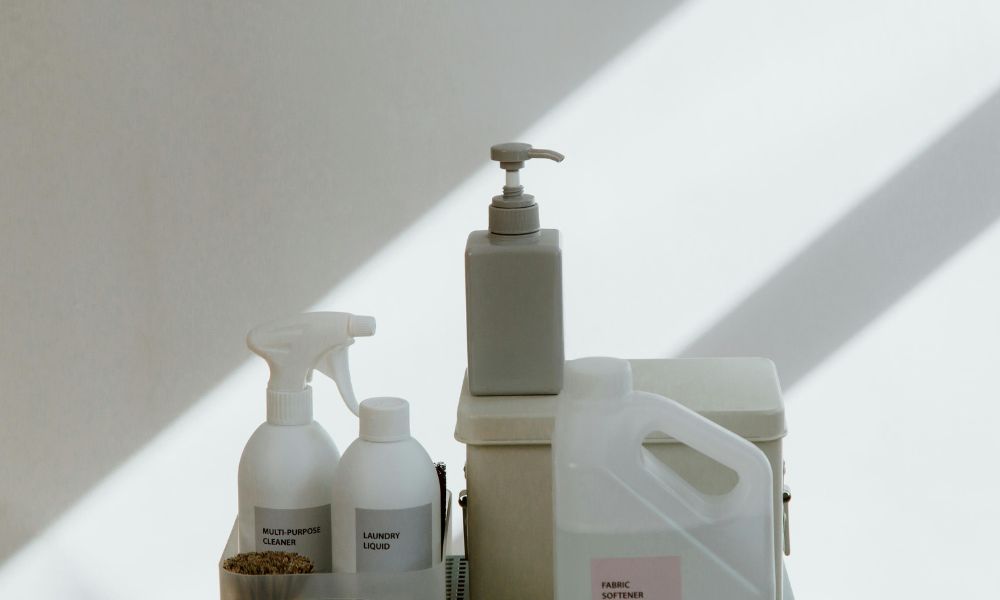
As “spring cleaning” season prompts renewed focus on hygiene and disinfection, emerging evidence is raising important questions about the safety profile of widely used cleaning agents, particularly those delivered via sprays.
A recent study from the University of California, Davis highlights a potentially under-recognised risk: inhalation exposure to compounds found in common disinfectants may pose a greater threat to respiratory health than previously understood.
A closer look at quaternary ammonium compounds (QACs)
Quaternary ammonium compounds (QACs) have been a mainstay in disinfectant formulations since the 1940s. Valued for their antimicrobial properties, they are widely used across domestic, healthcare and industrial settings, including in well-known products from brands such as Lysol and Clorox.
While the toxicity of QACs following ingestion has long been recognised, the latest findings suggest that inhalation exposure may present a significantly greater risk.
Inhalation vs ingestion: a shift in risk perspective
In controlled studies, inhaling QAC particles caused much more lung damage than swallowing them. In fact, preclinical studies showed up to a 100-fold increase in lung injury and risk of death when exposure happened through the airway.
Even though these are preclinical findings, they highlight a real-world concern, especially given how often sprays are used indoors.
Widespread exposure and systemic implications
Previous research has indicated that QAC exposure is not uncommon, with detectable levels found in a large proportion of the population. Beyond respiratory effects, there is growing interest in the potential systemic impact of these compounds.
Emerging evidence suggests a possible link between QAC exposure and mitochondrial dysfunction, affecting the body’s ability to generate cellular energy. This has broader implications, with associations drawn to fatigue, muscle weakness and cognitive symptoms such as “brain fog”.
In addition, QACs have been linked to:
- Skin and eye irritation
- Inflammatory responses
- Metabolic disruption
- Chronic respiratory conditions, including asthma and COPD
- Implications for industry and regulation
For stakeholders across the life sciences, healthcare and regulatory sectors, these findings reinforce the importance of continually reassessing the safety profiles of long-established compounds – particularly as patterns of use evolve.
Spray use, how often it’s used, and repeated low-level exposure may not have been fully considered in past safety assessments.
This raises several important questions:
- Do current safety models reflect how people really use these products?
- Should inhalation risks be given more attention?
- Is it time to update labelling, formulations, or usage guidance?
As the drive for effective disinfection continues, heightened in recent years by global health concerns, balancing efficacy with safety remains critical.
The latest evidence does not call for immediate alarm, but it does highlight the need for careful monitoring, thorough safety evaluation, and flexible regulatory oversight.
For organisations operating in this space, it may be time to revisit assumptions, review data, and ensure that product safety keeps pace with both innovation and evolving patterns of use.
Back to News + Insights