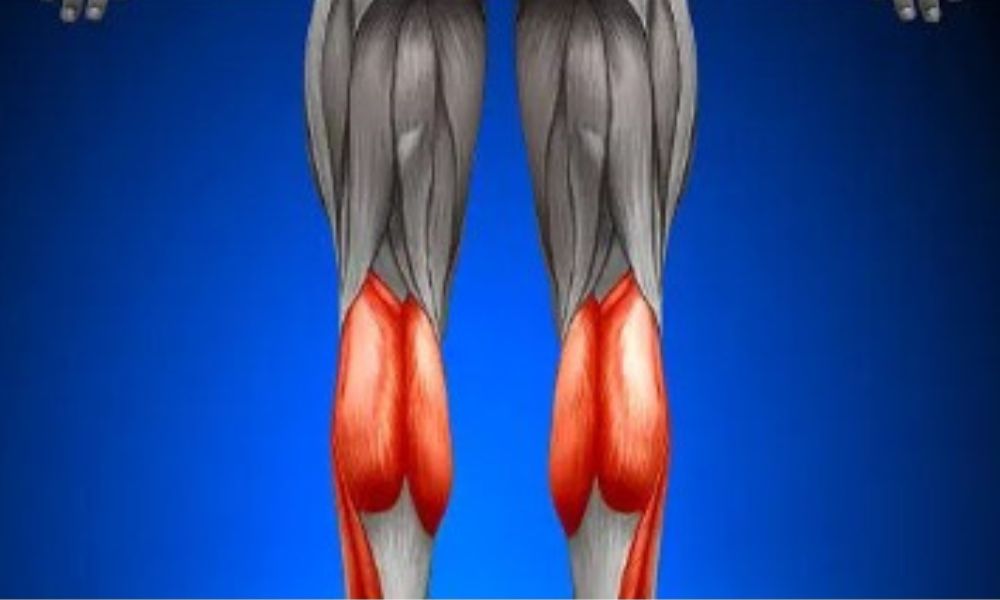
When we think about longevity, attention usually goes to the heart, brain and other major organs. But research is increasingly highlighting a less obvious contributor to long-term health: the calf muscle.
Sometimes referred to as a “second heart”, the calf muscle plays an important role in supporting circulation, particularly venous return from the lower body.
How the calf muscle supports circulation
The calf muscle sits at the back of the lower leg and is essential for movement such as walking and running. But beyond mobility, it also helps move blood through the body.
While the heart pumps oxygenated blood to the legs, returning it to the heart against gravity is more challenging. The calf muscles help by contracting and compressing deep veins in the lower leg, pushing blood back up towards the heart. This is known as the “muscle pump”.
Without this action, blood flow in the lower limbs becomes slower and less efficient.
Why inactivity matters
When the calf muscles are inactive for long periods, such as during prolonged sitting or immobility, blood can pool in the lower legs. This increases the risk of deep vein thrombosis (DVT), a blood clot in the deep veins.
If a clot travels to the lungs, it can cause a pulmonary embolism, which is potentially life-threatening.
Venous thromboembolism remains a significant health issue in the UK, with thousands of cases each year, and is strongly linked to periods of immobility.
Calf muscle size and health outcomes
Research also suggests calf muscle size may be linked to overall health and ageing.
Large population studies involving tens of thousands of adults have found that greater calf circumference is associated with lower risk of death and improved physical function. One study found that each 1 cm increase in calf size was linked to around a 5% reduction in mortality risk.
Other research has linked larger calf circumference with better strength, mobility and lower levels of frailty in older adults.
These findings reflect the broader impact of muscle mass on health, particularly in relation to sarcopenia – the age-related loss of muscle strength and function.
The wider significance
Taken together, the calf muscle is increasingly recognised as more than a functional muscle for movement. It plays a key role in circulation and may also act as a simple indicator of overall muscle health and resilience.
In this sense, it has earned its informal description as the body’s “second heart”.
Back to News + Insights