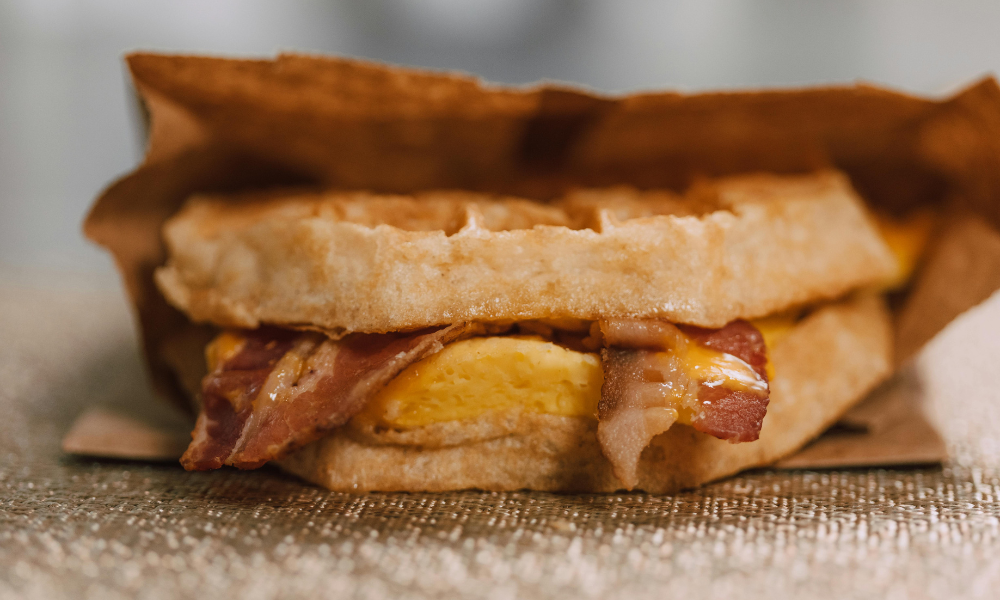
The World Health Organization (WHO) has officially classified processed meats, including bacon, as Group 1 carcinogens, putting them in the same category as tobacco and asbestos. This classification is based on robust epidemiological evidence linking processed meat consumption to colorectal cancer, highlighting the risks associated with long-term intake.
For life sciences professionals, this announcement is more than a headline – it raises the complex interplay between diet, public health, and regulatory oversight. Processed meats are a subset of ultra-processed foods (UPFs), which increasingly dominate global diets. These foods often contain additives, preservatives, and other compounds designed to enhance flavour, shelf-life, and convenience; factors that can also contribute to long-term health risks.
The implications for the food industry are significant. Manufacturers may face mounting pressure to reformulate products, improve labelling, and communicate risk more transparently. Consumer awareness campaigns and regulatory guidance are likely to accelerate, especially as public concern around diet-related disease continues to grow.
From a biologics and healthcare perspective, these findings further emphasise the importance of preventative strategies that go beyond pharmaceuticals. Nutritional risk factors are increasingly recognised as modifiable contributors to chronic disease, meaning that interventions in diet, lifestyle, and policy may complement drug development and therapeutic innovation. Understanding the biochemical mechanisms by which compounds in UPFs interact with human physiology could also inform the design of future therapeutics or preventive biologics.
In short, the WHO’s classification of bacon is a reminder that public health, food science, and life sciences are deeply interconnected. As the food industry adapts, and as biologics continue to evolve, integrating nutritional science with clinical insight will be key to addressing the growing burden of diet-related disease.
Back to News + Insights