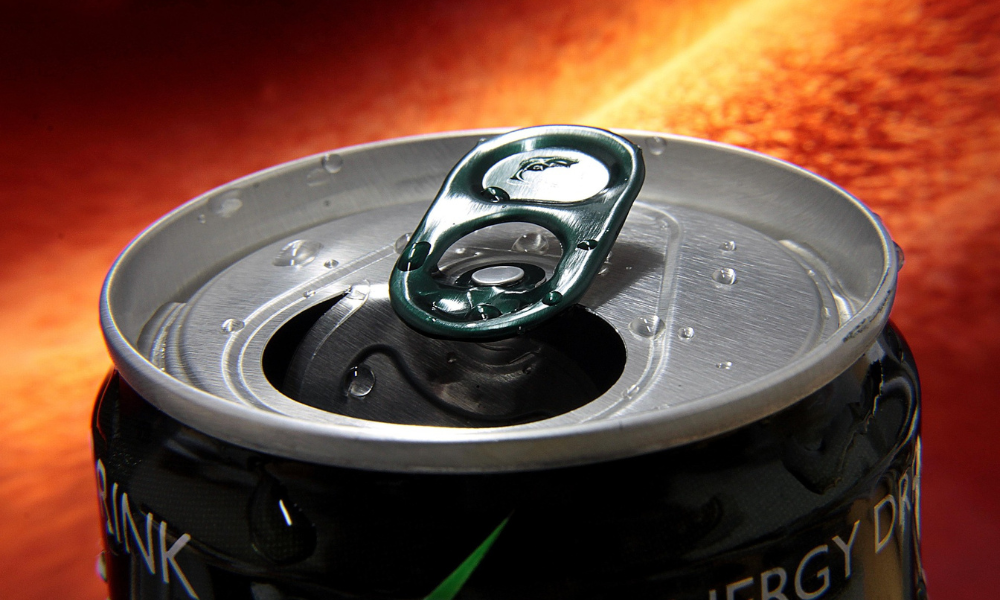
Energy drinks are now firmly embedded in the UK consumer landscape, with rising consumption particularly evident among adolescents, young adults and recreational gym-goers. Marketed as products that enhance alertness, endurance and physical performance, their use often increases during periods of lifestyle change – such as the New Year, when gym attendance and fitness-driven behaviours typically peak.
While energy drinks are regulated in the UK as foods rather than medicines, their formulations commonly include pharmacologically active constituents such as caffeine, taurine, glucuronolactone and B-vitamins, often at doses that exceed those found in traditional soft drinks. This has prompted growing scientific and regulatory interest in their short- and long-term physiological effects, particularly when consumed frequently or in combination with exercise.
Much of the existing research has focused on individual ingredients – most notably caffeine – with mixed findings on performance, neuromuscular function and recovery. However, consumers do not ingest isolated compounds; they consume complex formulations. Recent preclinical research from the US has begun to address this gap, demonstrating that multiple commercially available energy drinks exert a dose-dependent inhibitory effect on myogenic differentiation in vitro, suggesting a potential impact on muscle regeneration following exercise-induced microdamage.
Although in vitro findings cannot be directly generalised to human outcomes, they raise important mechanistic questions – particularly for populations using energy drinks to support training and recovery. As consumption continues to rise in the UK, especially among adolescents and young adults, understanding the biological effects of these formulations in real-world settings becomes increasingly important.
Within a regulatory landscape where energy drinks are classified as foods, ongoing UK policy discussions around age restrictions, labelling and caffeine thresholds reflect growing concern about their physiological impact. Against this backdrop, it is essential to examine current UK consumption trends, review emerging mechanistic evidence, and consider what these findings may mean for clinicians, researchers and healthcare stakeholders as energy drinks continue to occupy a grey area between nutrition, performance and public health.
For readers interested in the underlying preclinical data, the full findings from the recent US-based in vitro study on energy drinks and myogenic differentiation are available and provide additional mechanistic context.
Effects of energy drinks on myogenic differentiation of murine C2C12 myoblasts | Scientific Reports
Back to News + Insights