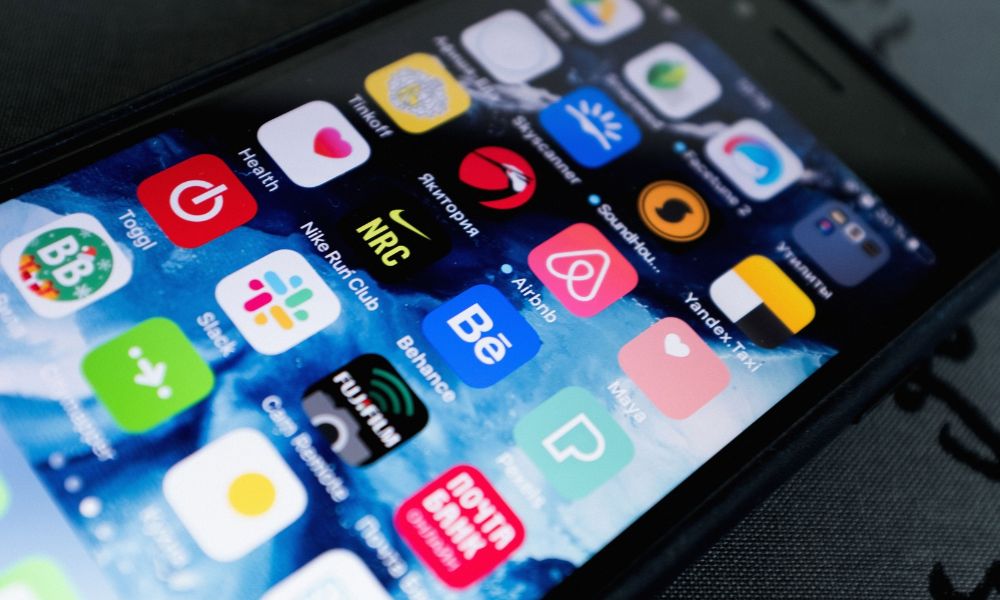
Every morning, millions of people glance at their wrists to check their heart rate, sleep quality, or daily step count. Over the past decade, smartphones and smartwatches have evolved from simple fitness trackers into powerful personal health companions. Today, apps claim to detect irregular heart rhythms, track fertility windows, monitor blood glucose, and flag suspicious skin moles.
For consumers, the line between a helpful wellness tool and a piece of clinical equipment can feel blurry. For the developers and innovators building these tools, however, that line is crystal clear – and legally binding.
Understanding when a lifestyle app crosses the threshold into becoming a regulated medical device is one of the most important questions in modern digital health. Behind the sleek user interfaces sits a rigorous system of global regulations designed to ensure that when technology makes a health promise, patients can trust it.
The Crucial Difference: Wellness vs. Medical Purpose
To the average user, a fitness app and a clinical diagnostic app might look almost identical on a phone screen. Yet regulatory bodies – such as the UK’s Medicines and Healthcare products Regulatory Agency (MHRA), the European Union’s authorities under the Medical Device Regulation (MDR), and the US Food and Drug Administration (FDA) – judge software not by how it looks, but by its intended purpose.
Simply put, if an app is designed solely to encourage general fitness, track lifestyle habits, or promote mindfulness, it usually sits comfortably in the “general wellness” category. Counting calories, logging water intake, or reminding you to stand up every hour does not diagnose or treat an illness.
The moment software steps into clinical territory, the rules change entirely. Under UK and international regulations, software generally becomes Software as a Medical Device (SaMD) if it is intended to:
- Diagnose, prevent, monitor, or predict a disease, injury, or physiological condition.
- Alleviate or treat a medical condition, or guide clinical decisions.
- Calculate medication dosages based on patient-specific data.
- Monitor fertility or contraception where preventing pregnancy is a stated medical claim.
For example, a smartwatch feature that tracks your resting heart rate during a morning jog is a fitness tool. A feature on that exact same watch that analyses heart rhythm patterns to alert you to potential atrial fibrillation is a regulated medical device.
Why “It’s Just Software” Doesn’t Exempt an App
A common misconception among tech startups moving into healthcare is that medical device rules only apply to physical hardware – like pacemakers, MRI scanners, or blood pressure cuffs.
In reality, standalone software can carry just as much clinical risk as a physical instrument. If a fitness tracker miscounts your steps by ten percent, the consequence is minor. If a clinical app fails to flag a dangerous heart arrhythmia, miscalculates an insulin dose, or falsely reassures a user that a cancerous mole is harmless, the results can be life-threatening.
Because of this, regulators hold medical apps to strict standards of clinical evidence, cybersecurity, and quality management. Before a regulated health app can legally carry a UKCA or CE mark, or gain FDA clearance, its creators must prove three core things:
Clinical Validity: Does the algorithm accurately measure or predict what it claims to?
Safety and Reliability: Does the software perform consistently across different devices, operating systems, and user groups without crashing or producing dangerous errors?
Ongoing Vigilance: Does the company have a system in place to monitor real-world performance, fix bugs safely, and report any adverse incidents after launch?
The Regulatory Balancing Act
For digital health innovators, navigating these rules is a delicate balancing act. Over-claiming in marketing materials – such as describing a relaxation app as a “treatment for clinical anxiety” – can inadvertently pull a product into strict medical device territory before the company is prepared for the regulatory burden. Conversely, trying to sidestep regulations with vague disclaimers like “for entertainment purposes only” will not protect a company if the app’s core functionality is clearly medical.
As artificial intelligence and wearable sensors become even more sophisticated, regulators in the UK, Europe, and the US are continuously updating their guidance to keep pace.
Initiatives like the MHRA’s software and AI roadmaps aim to create clear, predictable pathways so genuinely helpful innovations reach patients quickly without compromising safety.
Trust Is the Ultimate Feature
For everyday consumers, this unseen regulatory framework is good news. When you download an app or activate a health feature that holds official medical device approval, it means the technology has undergone rigorous scientific scrutiny – not just beta testing.
And for the pioneers building the next generation of digital health, regulatory strategy is not a barrier to innovation; it is the foundation of commercial success. Getting the classification, clinical evidence, and quality systems right from day one ensures that groundbreaking health tech earns the trust of doctors, investors, and patients alike.
Navigating the Digital Health Landscape?
Whether you are developing standalone health software, integrating AI algorithms, or bringing a wearable device to market across the UK, EU, or US, getting your regulatory strategy right early saves time and capital.
At Woodley BioReg, our specialists help innovators bridge the gap between rapid tech development and global medical device compliance. Get in touch with our team to discuss your product pathway.
Back to News + Insights