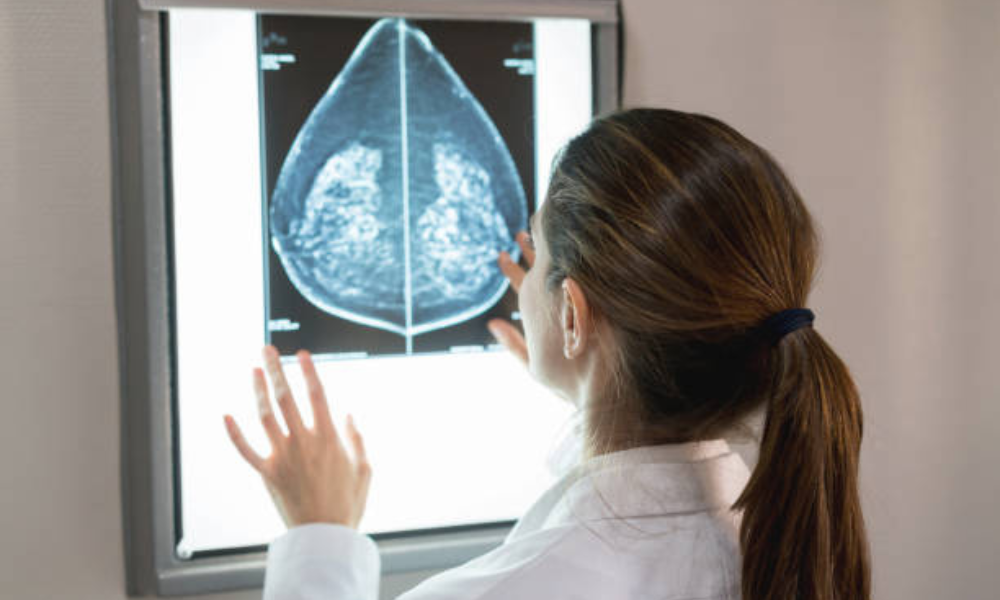
A multidisciplinary research team from Nottingham Trent University (NTU) and the University of Glasgow (UofG) is developing an innovative smart-textile bra designed to support earlier breast cancer detection in women with intellectual disabilities – a group disproportionately affected by late diagnosis and poorer outcomes. The project, funded by Cancer Research UK with a £100,000 investment, brings together expertise in medical technologies, electronic textiles, oncology, and learning-disability research.
Addressing a Significant Screening Gap
While women with intellectual disabilities have a lower incidence of breast cancer, they experience substantially higher mortality rates. Barriers to accessing established screening pathways – including challenges with mammography, reduced engagement with routine services, and communication difficulties – contribute to delays in diagnosis. The ‘Smart Bra’ concept aims to provide an accessible, non-invasive, and continuous monitoring solution to complement existing screening programmes.
How the Smart Textile Technology Works
The electronic textile insert is being engineered to monitor breast tissue in real time using a low-level electrical current capable of detecting subtle physiological differences. Because malignant tissue typically exhibits higher density and lower water content than surrounding healthy tissue, these variations can be identified through responsive conductive materials embedded within the fabric.
Key technical capabilities under development include:
- Detection of tumours as small as 5mm, supporting earlier intervention
- Continuous monitoring between clinical appointments, reducing diagnostic blind spots
- Automated alerts sent to clinicians, carers and the wearer via a connected smartphone interface
- Potential integration as a standalone bra or removable insert, offering flexibility of use
If optimised, the technology could help trigger earlier confirmatory diagnostics, such as MRI or ultrasound, supporting existing screening schedules without adding clinical burden.
Co-Design for Real-World Use
Inclusion is central to the project’s methodology. The smart bra will be co-designed with women with intellectual disabilities, alongside carers and healthcare professionals. Ensuring usability, comfort and acceptability is critical to adoption – particularly for individuals who may experience anxiety, sensory sensitivities or difficulty engaging with standard imaging techniques.
This user-centred approach aligns with broader healthcare strategies to make preventative screening more equitable and accessible.
Potential to Reduce Healthcare Burden
If validated, the researchers believe the technology could not only enable earlier detection but also reduce reliance on more resource-intensive imaging modalities. With MRI wait times often stretching over months, continuous at-home monitoring could offer reassurance to patients while easing demands on radiology departments already facing capacity challenges.
From a population health perspective, there are clear implications: Cancer Research UK reports 56,900 new breast cancer cases annually in the UK, resulting in around 11,200 deaths. Earlier detection remains one of the most effective levers to improve survival – and technologies that reach underserved populations may have disproportionate impact.
A Collaborative Effort Driving Innovation
The project is led by Professor Yang Wei of Nottingham School of Art & Design and Professor Deborah Cairns, Director of the Scottish Learning Disabilities Observatory at UofG, supported by a team specialising in smart textiles, design, clinical technologies and disability research.
Their shared ambition is to create a tool that integrates seamlessly into daily life, enhancing confidence in monitoring while enabling faster escalation where needed.
Advancing Equity Through Innovation
Dr Dani Skirrow, Research Information Manager at Cancer Research UK, highlights that breast cancer survival rates in the UK have nearly doubled in the past 50 years – but progress must be inclusive:
“The ‘Smart Bra’ has the potential to make breast cancer screening more accessible so that more people can benefit from it. This would help us detect more breast cancers at the earliest stage, when treatments are most likely to work.”
For the pharmaceutical and life-sciences community, this project underscores the growing intersection between med-tech innovation, wearable diagnostics, and inclusive care design. As oncology continues to shift towards prevention, personalisation and early intervention, smart textiles may emerge as an important adjunct to traditional screening pathways – particularly for underserved or high-barrier populations.
Back to News + Insights