Some of the most powerful medicines in modern healthcare come from plants that, in their natural state, are profoundly toxic. Long before laboratories and clinical trials, healers understood that nature’s poisons could also be its cures – if handled with precision and respect.
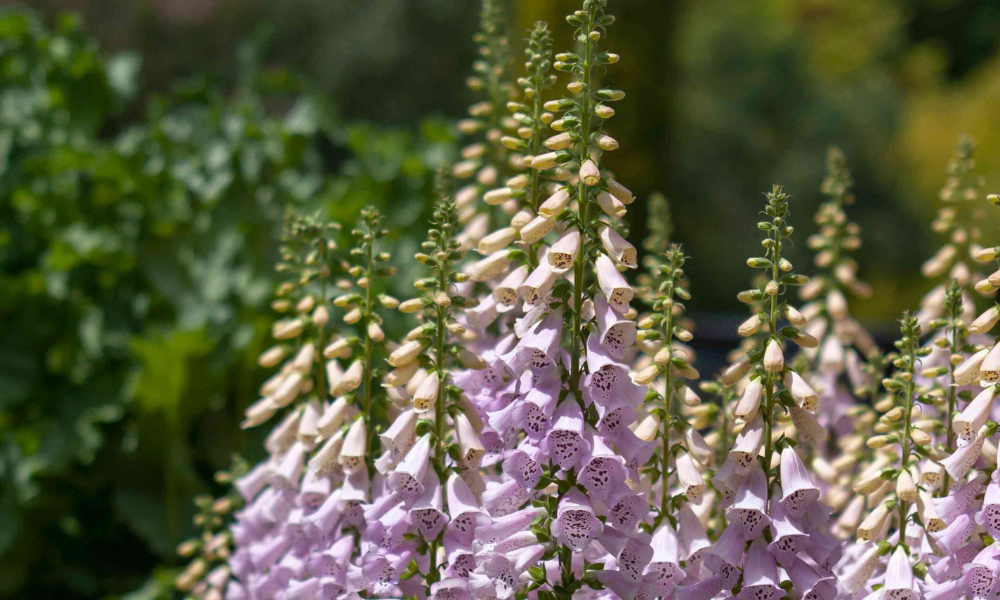
One of the best-known examples is taxol, a chemotherapy drug derived from the yew tree. The tree itself is highly poisonous, yet from it comes a compound that has saved countless lives. Morphine, one of the most effective pain-relieving medicines, originates from the opium poppy, while digoxin, a drug still used in cardiology, is derived from foxglove – a plant so toxic that ingesting it raw can be fatal.
Digoxin is a striking illustration of botanical potency. It is prescribed at doses thousands of times more dilute than most prescription medicines, underscoring just how powerful the original plant compound is. In these cases, the difference between poison and medicine is not the plant itself, but the dose.
When “Natural” Doesn’t Mean Safe
Herbal medicine is often perceived as a gentler, safer alternative to pharmaceuticals. In many cases, this is true – numerous herbal remedies are mild and well tolerated. However, there exists a lesser-known group of medicinal plants that are anything but gentle.
In the UK, these are classified under Schedule 20 of the Medicines Act. These plants are considered sufficiently potent and potentially dangerous that they are legally restricted to use by qualified medical herbalists, and only at strictly defined dosages. They are prescribed for a wide range of health needs, but their use demands extensive training and clinical judgement.
What unites these plants is the presence of alkaloids, powerful chemical compounds that can exert profound effects on the body. Alkaloids are often responsible for both a plant’s toxicity and its therapeutic action. At low, carefully controlled doses they can heal; at higher doses, they can harm.
Toxic Healers Beyond the Law
Not all medicinally toxic plants fall under Schedule 20. Some are familiar garden herbs that are still widely available yet carry real risks if used incorrectly.
Comfrey and borage both contain pyrrolizidine alkaloids, compounds known to be harmful to the liver. Because of this, comfrey has been banned for internal medicinal use in many European countries. Traditionally known as knitbone, comfrey is now used primarily topically, valued for its anti-inflammatory and analgesic properties in acute sprains, strains and chronic conditions such as osteoarthritis.
Borage, from the same botanical family, has a very different cultural reputation. While relatively obscure in UK herbal practice, it has a long history of medicinal use in Mediterranean countries. It has been credited with sedative effects, supporting sleep, easing dizziness and lifting melancholy. In gynaecological traditions, it has been used to support recovery from postpartum exhaustion and to ease menopausal symptoms.
Importantly, borage seed oil contains negligible levels of toxic alkaloids, and commercial supplements are typically processed to remove these compounds – demonstrating how modern techniques can retain therapeutic benefit while reducing risk.
The Ancient Art of Dosage
In the UK today, several professional bodies maintain registers of qualified medical herbalists, ensuring practitioners meet rigorous training and safety standards. This regulation echoes a much older truth: for traditional healers, knowing how much to give was just as important as knowing what to give.
Modern science allows us to isolate active compounds, understand their mechanisms and test their effects. But the principle that underpins all medicine – plant-based or pharmaceutical – remains ancient. Healing is often found not in the absence of toxicity, but in the careful mastery of it.
Poisonous plants remind us that nature is neither benign nor malicious. It is powerful. And when approached with knowledge, respect and restraint, that power can be transformative.
(Link here: Top 10 poisonous plants that changed medicine)
Back to News + Insights