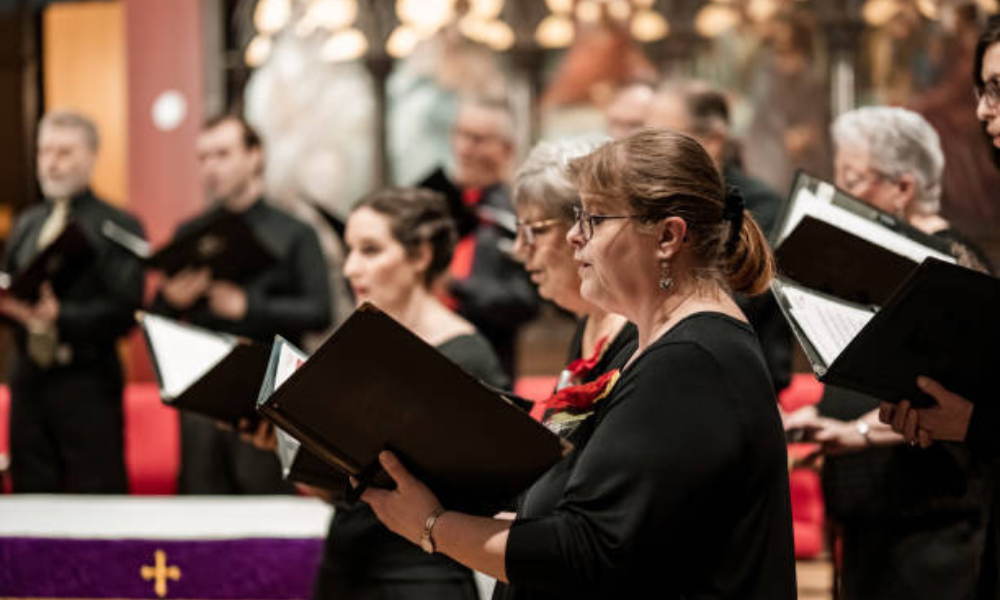
As the festive season approaches and familiar carols begin to fill shopping centres, school halls and churches, singing becomes an unmistakable part of December life. Yet the act of raising our voices together is far more than a cultural tradition or seasonal pastime. An increasingly robust body of research shows that vocalising – particularly in groups – delivers measurable cognitive, physiological and psychosocial benefits. From enhanced respiratory function to improved neuroplasticity, group singing is emerging as a meaningful adjunct to conventional healthcare approaches, offering wellbeing gains that extend well beyond the holidays.
A Multi-System Intervention
Researchers describe singing as a cognitive, physical, emotional and social act. Neuroimaging studies demonstrate that singing activates networks spanning language, motor coordination, and emotional regulation, simultaneously engaging both hemispheres of the brain. This multimodal stimulation may underpin the improvements in mood, attention and stress reduction reported in clinical settings.
Physiologically, singing requires controlled breathing, prolonged exhalation and coordinated muscle activity. These processes activate the vagus nerve, release endorphins, and can lower heart rate and blood pressure. Compared with passive music listening, active singing has been shown to trigger stronger immune responses, including changes in salivary biomarkers associated with improved immune surveillance.
Implications for Chronic Respiratory Conditions
Singing-based therapy is gaining traction in respiratory medicine. Programmes developed with professional singers have demonstrated benefits for individuals living with lung disease, chronic breathlessness and long Covid.
By retraining breathing patterns, improving rhythm, depth and muscular coordination, singing can reduce respiratory symptoms and improve quality of life. A randomised controlled trial led by Imperial College London found that a six-week singing-based intervention improved breathlessness and wellbeing in patients with long Covid. While not a replacement for clinical treatment, singing represents a holistic, low-risk adjunct that supports rehabilitation.
Supporting Neurological Recovery
Perhaps the most compelling evidence relates to neurorehabilitation. Singing can support speech and cognitive recovery following brain injury or stroke by providing repetitive, structured vocal activity that strengthens neural connectivity. Therapists have successfully used familiar songs to help patients regain fluency, leveraging the brain’s capacity for neuroplasticity.
Emerging research also points to potential cognitive benefits in ageing populations, though large-scale longitudinal studies are still needed to confirm whether singing can slow cognitive decline.
Psychological and Social Benefits
Group singing consistently shows stronger effects than singing alone. Collective vocalisation enhances social cohesion, reduces loneliness, and supports emotional regulation – important factors for individuals managing chronic illnesses.
In community choirs designed for people with cancer, stroke, Parkinson’s disease or dementia, participants report improvements in confidence, articulation, self-expression and overall wellbeing. Notably, group singing also equalises social dynamics: healthcare professionals, caregivers and patients engage together in a shared activity, reducing perceived hierarchy and fostering connection.
A Complementary Approach with Measurable Impact
While not a cure, singing represents a meaningful adjunct therapy with benefits across pulmonary function, cardiovascular health, mental wellbeing and neurological recovery. Its low cost, accessibility and community-building potential make it a compelling addition to holistic care models.
As evidence continues to grow, incorporating structured singing programmes into chronic disease management, rehabilitation pathways and public health initiatives could offer a novel route to improving quality of life – one breath and one note at a time.
Back to News + Insights